
NEWS
The Midnight Strike: Why the Department of Homeland Security is Shutting Down Tonight

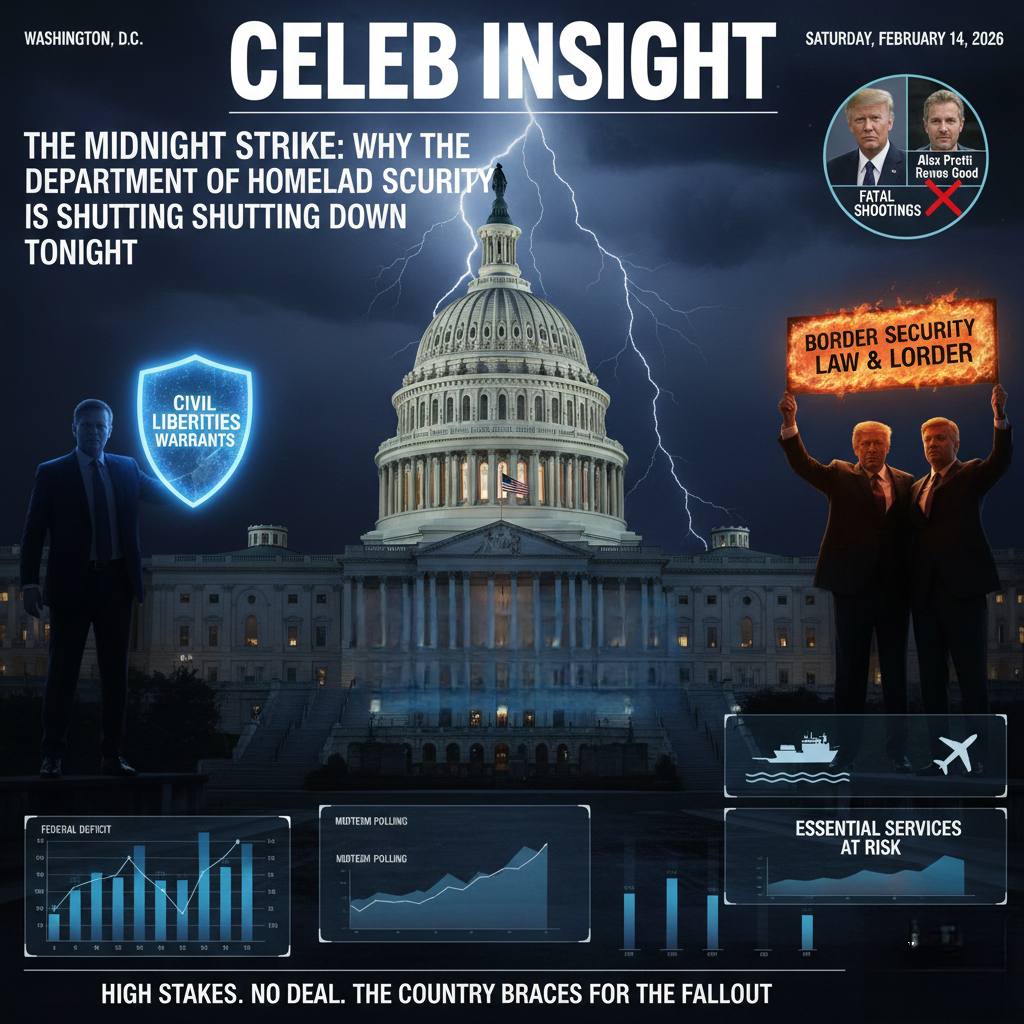
WASHINGTON, D.C. — In a dramatic escalation of the political standoff gripping the nation, the Department of Homeland Security (DHS) is careening toward a partial government shutdown scheduled for 12:01 a.m. tonight, Saturday, February 14, 2026. Despite frantic last-minute negotiations, the U.S. Senate failed to reach a consensus after nearly all Democrats blocked a second attempt to pass the agency’s annual funding bill. This high-stakes stalemate isn’t just a budget dispute; it is a fundamental clash over the future of American immigration enforcement under the current administration.
The catalyst for the impasse centers on a list of “non-negotiable” guardrails demanded by Democrats following a series of controversial operations. Public outcry reached a fever pitch after the fatal shootings of Alex Pretti and Renee Good in Minneapolis during recent federal enforcement actions. Senate Minority Leader Chuck Schumer and House Minority Leader Hakeem Jeffries have remained steadfast, insisting that any funding bill must include a ban on agents wearing face masks and stricter warrants for home entries. “Democrats will not support a blank check for chaos,” Schumer declared, as lawmakers began leaving town for the weekend.
From the White House, the rhetoric has been equally sharp. Press Secretary Karoline Leavitt slammed the opposition for “barreling the government toward another shutdown for partisan reasons.” President Trump has argued that the proposed restrictions would “needlessly hamstring” law enforcement and put agents in danger. As the clock ticks down, the administration has doubled down on its border strategy, with Homeland Security Secretary Kristi Noem also announcing the termination of Temporary Protected Status (TPS) for Yemeni nationals—a move that adds further fuel to the fiery debate over the country’s immigration landscape.
The human and security costs of the shutdown are looming large. If a deal is not struck before the deadline, thousands of DHS employees—including those in the Coast Guard, TSA, and Border Patrol—will be forced to work without pay or be furloughed. While essential security operations will continue, the administrative and logistical infrastructure of the department will grind to a halt. For travelers and federal workers, the fallout could begin as early as Sunday morning, casting a shadow over the mid-February holiday weekend.
Beyond the domestic crisis, the political turmoil at home is trailing American leaders abroad. A bipartisan delegation of lawmakers arrived at the Munich Security Conference today, but many observers noted their presence felt more like a “limp” than a stride. As Secretary of State Marco Rubio prepares for high-level talks on Ukraine and Iran, he does so against a backdrop of a fractured government. Allies are watching closely, questioning if the internal American divide over immigration and civil liberties will ultimately weaken its reliability on the global stage.
As Washington prepares for the lights to go out at the DHS, the question remains: who will blink first? With both sides viewing this as a defining battle for their respective bases ahead of the 2026 midterms, the stalemate appears deeper than ever. This shutdown is a persuasive reminder that the battle over the “One Big Beautiful Bill” era is far from over, and the consequences will be felt far beyond the halls of the Capitol

BREAKING NEWS: Striking Black-and-White Photoshoot Sparks Debate as Fans Discuss Celebrity Fashion, Marriage and the Freedom to Express Yourself

BREAKING NEWS: Bold New Look Sparks Marriage Debate as Fans Ask Whether Her Daring Fashion Style Has Changed Since Getting Married

BREAKING NEWS: Serena Williams’ Sweet Public Moment With Husband Alexis Ohanian Sparks Warm Reactions From Fans Around the World

BREAKING NEWS: Serena Williams Shares a Heartwarming Moment With Her Husband as Fans Celebrate the Joy, Love and Happiness Behind the Scenes

BREAKING NEWS: Serena Williams’ Sheer Fashion Moment Leaves Fans Asking Questions as Her Bold Style Choice Sparks a Heated Debate Online

BREAKING NEWS: Taylor Swift’s Striking Rope-Inspired Photoshoot Ignites Massive Online Buzz as Fans Call It One of Her Boldest, Most Artistic Fashion Statements Yet

BREAKING NEWS: Serena Williams’ Joyful Dance Moves Steal the Spotlight in Fictional Celebration, Leaving Fans Smiling as Her Confidence, Energy, and Playful Rhythm Spark Endless Conversations Across Social Media

BREAKING NEWS: Serena Williams’ Bold Fashion Choice Sparks Heated Debate as Fans Clash Over Eye-Catching Dress That Showcased Her Athletic Physique and Signature Confidence

BREAKING NEWS: Taylor Swift’s Stunning Fashion Choice Sparks Massive Fan Debate as Admirers Wonder Whether Her Signature Style Would Ever Change If She One Day Became a Mother

BREAKING NEWS: Serena Williams’ Stunning Bikini Photos Spark Online Debate as Fans Share Mixed Views on Confidence, Family Life, and Celebrity Expectations

BREAKING NEWS: Serena Williams’ Husband Hailed by Admirers as “Father of the Year” After Heartwarming Family Moments Capture Attention
