
NEWS
Netflix’s Untold Series to Explore the Daejon Love Romance Scam in New Documentary, Wide Deceiver

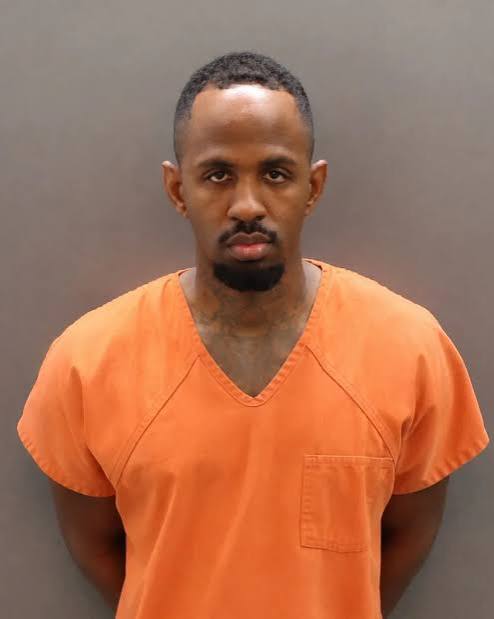
Netflix is preparing to bring one of the most shocking romance fraud cases to public attention through its upcoming documentary, Untold: Wide Deceiver. The film will examine the case involving Daejon Love, a man accused by federal authorities of posing as a professional American football player and wealthy investor to deceive women into giving him money. According to prosecutors, the alleged scheme involved at least 26 women and approximately $1.3 million in financial losses. Rather than focusing solely on the accusations against Love, the documentary is expected to tell the story through firsthand accounts from the women affected by the alleged deception.
Announced on October 14, 2026, the upcoming documentary expands Netflix’s popular Untold franchise, which has built a reputation for exploring controversial, unexpected, and often overlooked stories connected to sports and popular culture. The Daejon Love case attracted widespread attention after allegations emerged that he had falsely presented himself as a wide receiver for the San Francisco 49ers, using the image of a successful professional athlete to gain the trust of women he met online.
The documentary’s title, Wide Deceiver, draws on the online nickname associated with the case and reflects the alleged contrast between Love’s carefully constructed public image and the accusations against him. Although Netflix has announced the project, the streaming platform has not yet confirmed its premiere date.
The Story Behind the Daejon Love Romance Scam
The case involving Daejon Love became a major talking point after federal authorities accused him of using romantic relationships, fabricated identities, and false investment opportunities to obtain money from women.
According to prosecutors, Love allegedly presented himself as a wealthy individual with connections to professional football and lucrative business ventures. In some interactions, he reportedly claimed to be a player for the San Francisco 49ers, while in others he portrayed himself as a successful real estate investor.
These claims allegedly helped him create an image of financial security and professional success. For women who believed they were developing genuine romantic relationships with him, the apparent wealth and status may have made his promises about their shared future seem more convincing.
However, investigators allege that the image was part of a broader deception. Instead of simply requesting money as a personal favor, Love allegedly encouraged women to invest in opportunities that were presented as profitable financial ventures.
Federal authorities say the alleged scheme began in February 2022 and continued until Love’s arrest in August 2026. During that period, investigators identified at least 26 alleged victims, with financial records indicating that approximately $1.3 million had been received from them.
The investigation also identified Taylor Jamie Chan, who was accused of participating in the alleged scheme by posing as Love’s financial adviser. Both men were arrested and charged with wire fraud and conspiracy to commit wire fraud.
These charges are allegations, and the accusations must be distinguished from a final determination of guilt in court. Nevertheless, the case has raised serious questions about how romantic trust can be exploited to facilitate financial fraud.
How an Alleged Fake NFL Identity Helped Build Trust
One of the most striking aspects of the case is the alleged use of professional football as a tool for establishing credibility.
According to federal investigators, Love presented himself as a player for the San Francisco 49ers, one of the best-known franchises in American professional football. He allegedly reinforced this identity through social media content featuring football equipment, team-related clothing, luxury vehicles, and other images associated with wealth and celebrity.
The strategy allegedly extended beyond simply claiming to be an athlete. Prosecutors say Love portrayed himself as financially successful and encouraged women to believe that he possessed substantial wealth and investment expertise.
For someone unfamiliar with the professional sports industry, such claims may have appeared plausible, particularly when supported by photographs, confident explanations, and a seemingly luxurious lifestyle.
Investigators also alleged that fabricated financial information was used to make the investment opportunities appear legitimate. In some instances, the women were reportedly shown information suggesting that large sums of money were available in investment accounts.
The alleged involvement of a second person posing as a financial adviser further complicated the picture. Prosecutors say Chan allegedly helped reinforce the impression that Love had access to sophisticated financial opportunities.
This alleged combination of romance, status, and apparent financial expertise is central to understanding why the case attracted widespread attention.
The accusations illustrate how fraud can involve much more than a single false statement. A convincing deception may rely on multiple elements that appear to support one another, making it increasingly difficult for someone to distinguish reality from an elaborate fabrication.
The Women at the Centre of the Story
Netflix’s announcement indicates that Untold: Wide Deceiver will tell the story through firsthand accounts from people affected by the alleged scam.
This approach could make the documentary particularly significant because the financial figures, criminal charges, and viral social media posts represent only part of the wider story.
For the women involved, the alleged deception may have affected both their finances and their personal lives. People who believe they are entering a sincere relationship often make decisions based on trust, affection, and the expectation that the other person is acting honestly.
When money becomes part of that relationship, the consequences can extend beyond the immediate financial loss.
According to federal authorities, Love allegedly convinced women that they were involved in genuine romantic relationships with him. He reportedly encouraged some of them to believe that they were building wealth and planning a future together.
Such promises can make financial requests appear less suspicious. Rather than viewing a transfer of money as a risky investment or an unexplained loan, someone may believe they are helping a partner pursue a shared goal.
The case also demonstrates why the experiences of alleged victims deserve careful consideration. Romance fraud is sometimes discussed online as though the people affected should simply have recognised the warning signs. However, this perspective can overlook the deliberate methods alleged perpetrators may use to gain trust and discourage suspicion.
In September 2026, The Guardian reported that at least 35 additional women had come forward with fraud allegations against Love after his arrest. The report also highlighted concerns about the emotional and financial consequences experienced by people who believed they were helping someone they loved or building a future with a romantic partner.
By giving affected women an opportunity to describe their experiences in their own words, the Netflix documentary may help audiences understand the human consequences of alleged financial deception.
A Relationship That Allegedly Became a Financial Trap
Romance fraud often develops gradually rather than through a single dramatic demand for money.
A person may initially appear attentive, charming, and genuinely interested in building a relationship. Conversations become more frequent, personal information is exchanged, and the relationship begins to feel emotionally important.
Over time, requests for financial assistance or investment opportunities may enter the conversation.
In the Daejon Love case, prosecutors allege that the romantic relationships were connected to fabricated investment opportunities. Women were reportedly encouraged to provide money with the expectation of receiving substantial returns.
The alleged investment scheme gave the deception an additional layer of credibility. Instead of simply asking for money, Love allegedly portrayed himself as someone who understood wealth creation and could help his partners benefit financially.
According to investigators, he presented Chan as his financial adviser, reinforcing the impression that the investments were part of a legitimate business operation.
Authorities also alleged that the pair used staged video calls and fabricated investment information to support their claims.
The women reportedly did not receive the promised investment proceeds or repayment of their principal. Investigators say communications were cut off when some women exhausted their available funds or began asking questions about the money.
These allegations illustrate how financial exploitation can become intertwined with emotional manipulation. A victim may find it difficult to question a partner’s claims because doing so also means confronting the possibility that the relationship itself is not what it appeared to be.
For some people, that realisation may come only after considerable money has changed hands.
Social Media and the Viral Spread of the Case
The Daejon Love case gained additional attention after his arrest, when videos, photographs, and social media posts connected to his alleged football identity circulated widely online.
The contrast between the online persona and the accusations made by federal authorities generated intense public interest. The story attracted attention from sports audiences, entertainment commentators, and people interested in online dating and financial fraud.
The nickname associated with the case also contributed to its viral spread. The phrase Wide Deceiver plays on the football position of wide receiver while suggesting the alleged deception at the centre of the investigation.
Viral attention can help bring important cases to the public’s attention. Social media posts may encourage other potential victims to recognise a name, identify similar experiences, or contact investigators.
However, viral coverage also presents challenges.
When a criminal case becomes an online spectacle, public discussion can quickly shift from the people allegedly harmed to jokes, memes, and commentary about the accused person’s appearance or behaviour.
This can obscure the seriousness of the underlying allegations and discourage other victims from speaking publicly.
A more constructive discussion focuses on the alleged conduct, the evidence presented by investigators, the experiences of affected individuals, and the importance of allowing the legal process to proceed fairly.
Netflix’s decision to develop a documentary about the case suggests that the story has attracted attention beyond the initial wave of social media commentary. The film has the potential to move the discussion away from viral clips and toward a more detailed examination of the alleged scheme and its consequences.
Why Netflix Is Bringing the Case to the Screen
The Untold franchise has explored stories involving sports personalities, controversial incidents, and events that reveal unexpected aspects of sporting culture.
Previous instalments have examined subjects ranging from the infamous 2004 brawl between the Detroit Pistons and Indiana Pacers to the murder of former NFL player Steve McNair and the changing public image of internet personality Jake Paul.
The franchise often uses interviews, archival footage, and personal accounts to revisit stories that audiences may know only through headlines or widely circulated images.
Untold: Wide Deceiver represents a different kind of sports-related story. Rather than concentrating on an athlete’s career or a sporting controversy, it examines an alleged fraud case in which the identity of a professional football player was reportedly used to gain the confidence of romantic partners.
The case sits at the intersection of sports, online dating, social media, and financial crime.
It also demonstrates how the reputation associated with a high-profile profession can potentially be used to create a misleading impression of credibility. Professional athletes are often associated with financial success, public recognition, and access to exclusive opportunities. For someone attempting to deceive others, those associations may provide a useful foundation for a fabricated identity.
The documentary’s emphasis on firsthand accounts could help distinguish it from the many short videos and social media discussions that have circulated since the allegations became public.
Netflix has confirmed that the film is being produced by Propagate and Stardust Frames, in association with North of Now and The Cut. The announced executive producers include Ben Silverman, Howard T. Owens, Maclain Way, Chapman Way, Ryan Duffy, Isabel San Vargas, Aaron Ginsburg, William Green, Andrew Renzi, and Nick Boak.
As of October 14, 2026, Netflix has not announced a premiere date.
The Psychology of Romance Fraud
One of the broader issues raised by the case is the way emotional trust can influence financial decisions.
People generally rely on trust when forming relationships. They share personal experiences, make plans, offer support, and gradually become more comfortable with one another.
In a healthy relationship, that trust develops through honesty and consistent behaviour. In a fraudulent relationship, however, the same trust may be deliberately exploited.
A person who falsely claims to have wealth, professional success, or valuable business connections may use those claims to establish authority. Once the relationship becomes emotionally important, financial requests can appear more reasonable than they would if they came from a stranger.
Promises of a shared future may also make a financial transfer seem like an investment in the relationship itself.
In the alleged Daejon Love scheme, investigators say romantic commitments and fabricated investment opportunities were closely connected. That combination could have made it more difficult for the women involved to separate their personal feelings from their financial decisions.
Importantly, being deceived does not necessarily mean someone is careless or unintelligent. Fraudsters may exploit ordinary human qualities, including empathy, optimism, affection, and the desire to help a partner.
Understanding this dynamic is essential to preventing romance fraud. Effective awareness campaigns should explain how manipulation works without treating victims as responsible for another person’s alleged dishonesty.
The case also highlights the importance of independently verifying major financial claims, even when those claims come from someone who appears trustworthy.
Warning Signs That Online Daters Should Recognise
Although every relationship is different, several warning signs may indicate that an online romantic connection involves financial manipulation.
1. Unverified claims of wealth or professional success
Someone who claims to be a professional athlete, wealthy investor, business executive, or property developer should be willing to provide information that can be independently verified. Photographs, expensive clothing, and claims of luxury living are not reliable proof of wealth or professional status.
2. Requests to invest money quickly
Pressure to transfer money into an investment opportunity, especially one promising unusually high returns, should prompt careful investigation. Legitimate financial decisions generally require time, documentation, and independent advice.
3. A romantic partner who discourages independent verification
Someone who becomes angry when asked reasonable questions about an investment, refuses to provide verifiable information, or insists that trust should replace financial checks may be creating an environment in which deception can flourish.
4. Complicated stories involving advisers or intermediaries
A supposed financial adviser, business partner, or other associate may be presented as evidence that an investment is legitimate. However, the presence of another person does not establish that the arrangement is genuine.
5. Financial information that cannot be independently confirmed
Screenshots of bank balances, investment dashboards, and apparent profits can be fabricated. Independent verification through reputable financial institutions and qualified professionals is safer than relying on images supplied by a romantic partner.
6. Requests for loans that are presented as investments
A request for money may be described as a temporary loan, a business opportunity, or a way to build a shared future. The important question is whether the transaction is independently verifiable and whether the risks are clearly understood.
7. Sudden disappearance after questions about money
If someone cuts off communication after being asked to explain an investment, repay a loan, or provide financial records, the behaviour may be a reason to investigate further.
These warning signs do not automatically prove that someone is committing fraud. They are reasons to slow down, verify claims, and avoid making financial decisions under emotional pressure.
Anyone who suspects they have been targeted should preserve messages, transaction records, usernames, and other relevant evidence. They should also contact their financial institution promptly and report suspected fraud to the appropriate authorities.
The Importance of Accountability and Due Process
The Daejon Love case also raises questions about how authorities investigate fraud that crosses state lines and involves people who meet through online platforms.
According to federal prosecutors, the alleged scheme affected women in several western US states. The investigation involved claims of fictitious investments, false identities, and financial transactions connected to people who had met through dating applications and social media.
Such cases can be challenging because victims may live in different locations, financial transfers may pass through multiple accounts, and communications may occur across several digital platforms.
Investigators must establish how the alleged scheme operated, identify the people involved, trace the money, and gather evidence that can be presented in court.
At the same time, the accused retain the right to a fair legal process. Arrests and criminal charges are serious developments, but they do not replace the need for evidence and judicial proceedings.
A documentary examining an ongoing criminal case therefore has a responsibility to distinguish allegations from established facts. Firsthand accounts can offer important insight into the experiences of alleged victims, but those accounts should be considered alongside the available evidence and the status of the legal proceedings.
The documentary’s eventual release may renew public interest in the investigation and encourage other people with relevant information to come forward.
However, its impact should not be measured only by viewership or social media engagement. A meaningful examination of the case would also help audiences understand the methods allegedly used, the consequences for affected women, and the steps that can reduce the risk of similar crimes.
What Viewers Can Expect From Untold: Wide Deceiver
Netflix has confirmed that Untold: Wide Deceiver will feature firsthand accounts from people affected by the alleged scam. The company has not yet published a full episode synopsis, detailed interview list, or release date.
Consequently, the documentary’s precise structure and the specific events it will cover remain uncertain.

Taylor Swift and Husband Travis Kelce Make History While Breaking NFL Protocol as They Arrive at Lumen Field in Seattle, Sweetly Walking Hand in Hand Ahead of the Chiefs vs. Seahawks Game, Before Fans Spot Something Unusual About Taylor’s Appearance and Begin Asking Questions… See the Sweet Arrival Clip and Photos

Taylor Swift and Husband Travis Kelce Spotted on a Romantic Boat Getaway in Seattle, Ditching the Chiefs vs. Seahawks Game Just Hours Before Kickoff in New Photos

Taylor Swift, Blake Lively, Donna Kelce, and Andrea Swift Arrive in Seattle on Taylor’s Private Jet to Support Travis Kelce at the Chiefs vs. Seahawks Game, but Fans Notice a Visible Mark on Taylor’s Rib and Stomach That Fuels What They Have Been Suspecting All Along… See Clearer Photos and a Never-Before-Seen Clip of Their Beautiful Arrival

Ben Affleck, 54, Spotted With a Pregnant Teen Outside His Las Vegas Home as Fans Are Stunned After Discovering Who She Is

Tom Brady, 49, Supermodel Candice Swanepoel, 38, and Sydney Sweeney, 29, Spotted Sharing a Sweet and Intimate Moment at Malibu Beach as Fans Notice Something Unusual in New Photos That Confirms the Question They Have Been Asking All Along

Netflix’s Untold Series to Explore the Daejon Love Romance Scam in New Documentary, Wide Deceiver

📖 Jason Kelce Documentary Series — Episode 1: The 6th-Round Draft Pick 🏈✨In the 2011 NFL Draft, 190 players were selected before Jason Kelce heard his name called at Pick #191.

CELEBRITYTaylor Swift is pregnant, the pop icon and her NFL star husband took to the internet to share the news with an ultrasound image that shows the baby face and tiny heartbeat….Travis kelce reveal the gender and why they initially tried keeping the sweet news away from the publicPublished 5 days ago on October 10, 2026By Nicole Miller

🔥 Patrick Mahomes was dismissed as “just a football player.” But when he reportedly answered, the room fell silent—his unexpected words changed the entire conversation in seconds… …Full story in the first comment 👇👇👇Published 4 days ago on October 8, 2026By Adams Helen

🏉 JASON KELCE TRIES RUGBY?! 🤯🔥 Just when you thought Jason Kelce had done it all, he decides to trade the NFL pads for a crash course in rugby! 🏈➡️🏉

CELEBRITYTaylor Swift Sparks Fresh Buzz After Showing Off Her Stunning One-Month Pregnancy Glow in a Tiny Green Bikini While Soaking Up the Sun in Corfu and Sharing Sweet, Passionate Kisses With Husband Travis Kelce During a Dreamy Romantic GetawayPublished 2 months ago on July 29, 2026By Harry Joy
