
CELEBRITY
Young Adult Faces Trial in Austria for Alleged Terror Plot Targeting Taylor Swift Concert

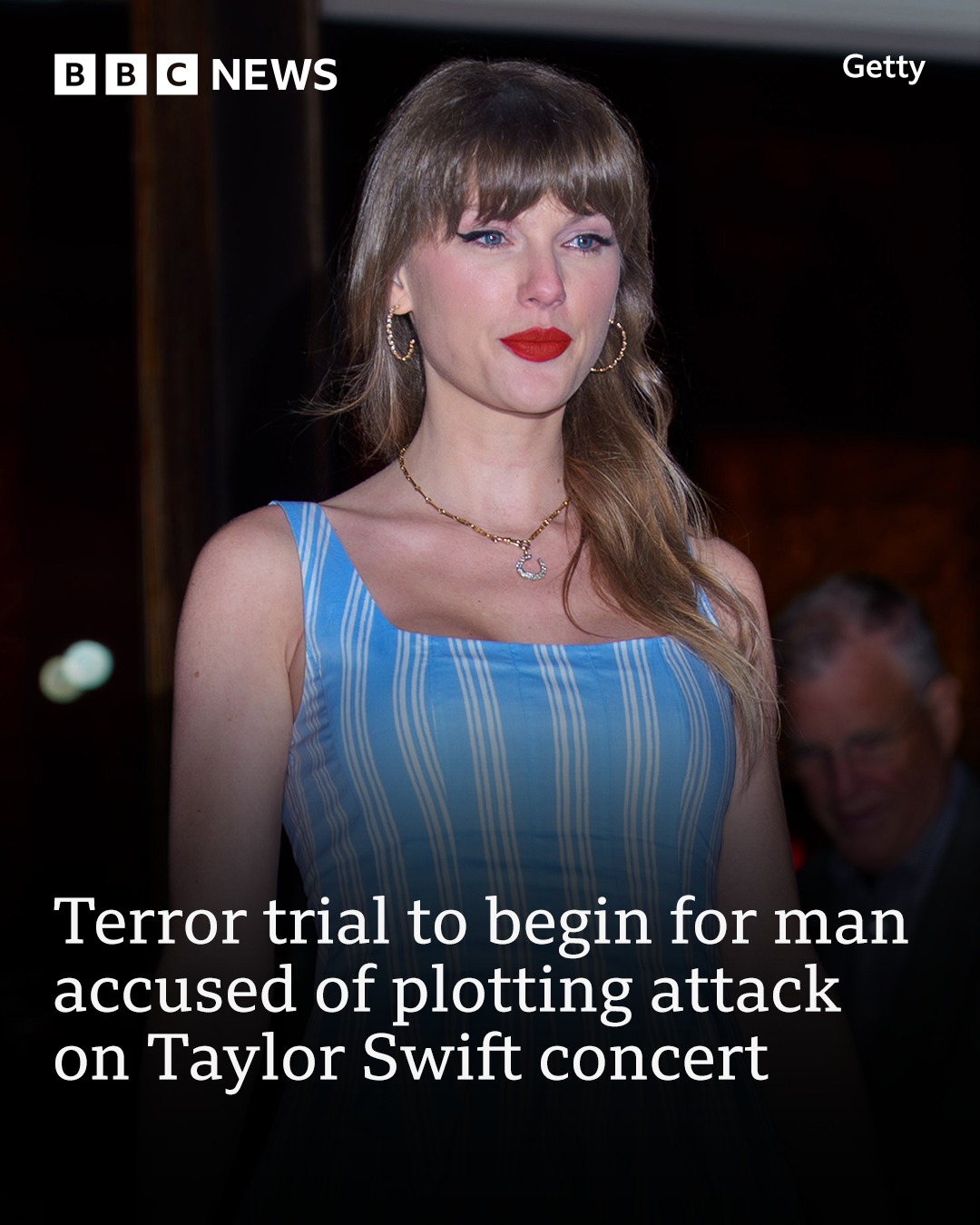
In a shocking case that has captured international attention, a 21-year-old individual is set to face trial in Austria on serious charges of planning and preparing a terrorist attack against a Taylor Swift concert. The upcoming trial, which is expected to begin next month, has raised significant concerns regarding security measures in public events and the broader implications of radicalization among young adults.
The accused, whose identity has not been released due to legal restrictions, was arrested by Austrian authorities last year following a tip-off about potential threats surrounding a planned concert by the American pop star in Vienna. Reports indicate that the individual had allegedly expressed intentions on social media and in private communications to target the event, echoing tactics seen in past high-profile attacks on public gatherings.
Authorities have revealed that the accused was reportedly motivated by extremist ideologies. While specific details regarding the individual’s background remain limited, officials have indicated that the case highlights a troubling trend of increasing radicalization among young people, particularly through online platforms. The Austrian government has been under mounting pressure to address these issues and implement more rigorous preventative measures to protect public safety.
This case is part of a larger discussion in Europe regarding the measures taken to ensure the safety of high-profile events in the wake of several tragic attacks. Officials in Austria have emphasized their commitment to protecting citizens and visitors alike, especially during major events that draw large crowds. The concert, scheduled to take place in a packed stadium, poses unique security challenges, leading to reinforced measures and increased surveillance.
The prosecution in this case is expected to present evidence gathered during the investigation, including digital communications and social media posts where the accused allegedly discussed the plot. Additionally, law enforcement will likely provide expert testimony on the motivations behind such radical behavior and the psychological impacts of extremist ideologies on youth. Counterterrorism experts are also likely to weigh in on how social media has been utilized to recruit and encourage potential attackers.
Meanwhile, the defense may argue that the accused did not have the means or intent to carry out the alleged attacks. They could potentially suggest that the communications were mere expressions of intent without a genuine plan or capability to execute violence. How this argument will be received remains a critical question for the court as it navigates the complexities of intent and planning in terrorist-related cases.
The public has reacted with a mix of horror and concern upon learning about the alleged plot. Fans of Taylor Swift, renowned for her positive influence and advocacy for mental health and social issues, have expressed disbelief that such actions could be aimed at an artist whose message often promotes love and acceptance. The music community, alongside concertgoers, have raised calls for heightened security interfaces, setting up dialogues around how to ensure safety without impeding the enjoyment of live performances.
In preparation for the concert, organizers have announced that they will increase security protocols, including bag checks, metal detectors, and a greater police presence at the venue. These steps aim to reassure attendees while underlining the importance of vigilance when attending large-scale events. Swift has previously addressed her fans in a bid to promote peace and unity, reinforcing messages that resonate in times of fear and uncertainty.
The implications of this case extend beyond the immediate threat to a concert; they raise pressing questions about societal responses to radicalization and the effectiveness of preventive measures. It also draws attention to how young individuals can be swayed by extremist ideologies, often through digital platforms. Furthermore, it challenges community leaders to find proactive ways to engage at-risk youth before they fall prey to such dangerous ideologies.
As the trial approaches, many are anxious to see how the court will interpret the evidence and whether the legal system can find a way to balance security concerns with civil liberties. The outcome may have lasting repercussions for how authorities handle similar cases in the future, shaping responses to both youth radicalization and terrorist threats in Europe.
Ultimately, this case is a stark reminder of the latent risks surrounding public events and the ongoing struggle against terrorism. As government officials, artists, and communities come together to address these pressing issues, the upcoming trial will serve as a critical juncture in the fight against extremist violence. As the world watches, the hope is that lessons learned will lead to strategies that can prevent future threats and protect innocent lives at events meant to celebrate art, music, and togetherness.

BREAKING NEWS: Serena Williams’ Stunning Red Dress Appearance Sparks a Global Frenzy as Fans Flood Social Media With Admiration, Debate, and Endless Praise for the Tennis Legend’s Bold Fashion Statement

BREAKING NEWS: Serena Williams’ Relaxed Sitting Pose at Public Event Sparks Online Buzz as Fans Share Mixed Reactions Across Social Media

BREAKING NEWS: Serena Williams’ Stunning Beach Bikini Appearance Sparks Massive Online Frenzy as Fans Celebrate Her Confidence, Style, and Unstoppable Presence in Viral Vacation Photos

BREAKING NEWS: Taylor Swift and Travis Kelce Finally Say “I Do” in Star-Studded New York Wedding

BREAKING NEWS: Serena Williams’ Short-Grown Look Gets Fans Talking During Peaceful Nature Escape

BREAKING NEWS: Serena Williams’ Unusual Outfit Sparks Global Conversation

BREAKING NEWS: Serena Williams’ Latest Appearance Sparks Wave of Fan Reactions Online

BREAKING NEWS: Serena Williams’ Daring Outfit Sets the Internet on Fire as Fans Clash Over Her Latest Fashion Moment

SHOCKING NEWS: 😮 Fatal Incident at the Residence of Travis Kelce and Fiancée Taylor Swift — Early this morning, authorities responded to a frantic 911 call from the couple’s luxury residence, leading to the Passing Away of…see more👇👇

Travis Kelce Finally Makes His Red Carpet Debut Alongside Fiancée Taylor Swift, Later Escorting the Pop Superstar to the Stage as She Accepts Songwriters Hall of Fame Induction in New York City
TRAVIS KELCE AND TAYLOR SWIFT just made the BIGGEST, happiest announcement of their lives together! After years of sweet, private love built through support, patience, and shared dreams, they dropped the ultimate bombshell in the most romantic way – cheers exploding everywhere!
