
CELEBRITY
Serena Williams Reflects on Her Unique Experiences: A Conversation with Every U.S. President Since Birth

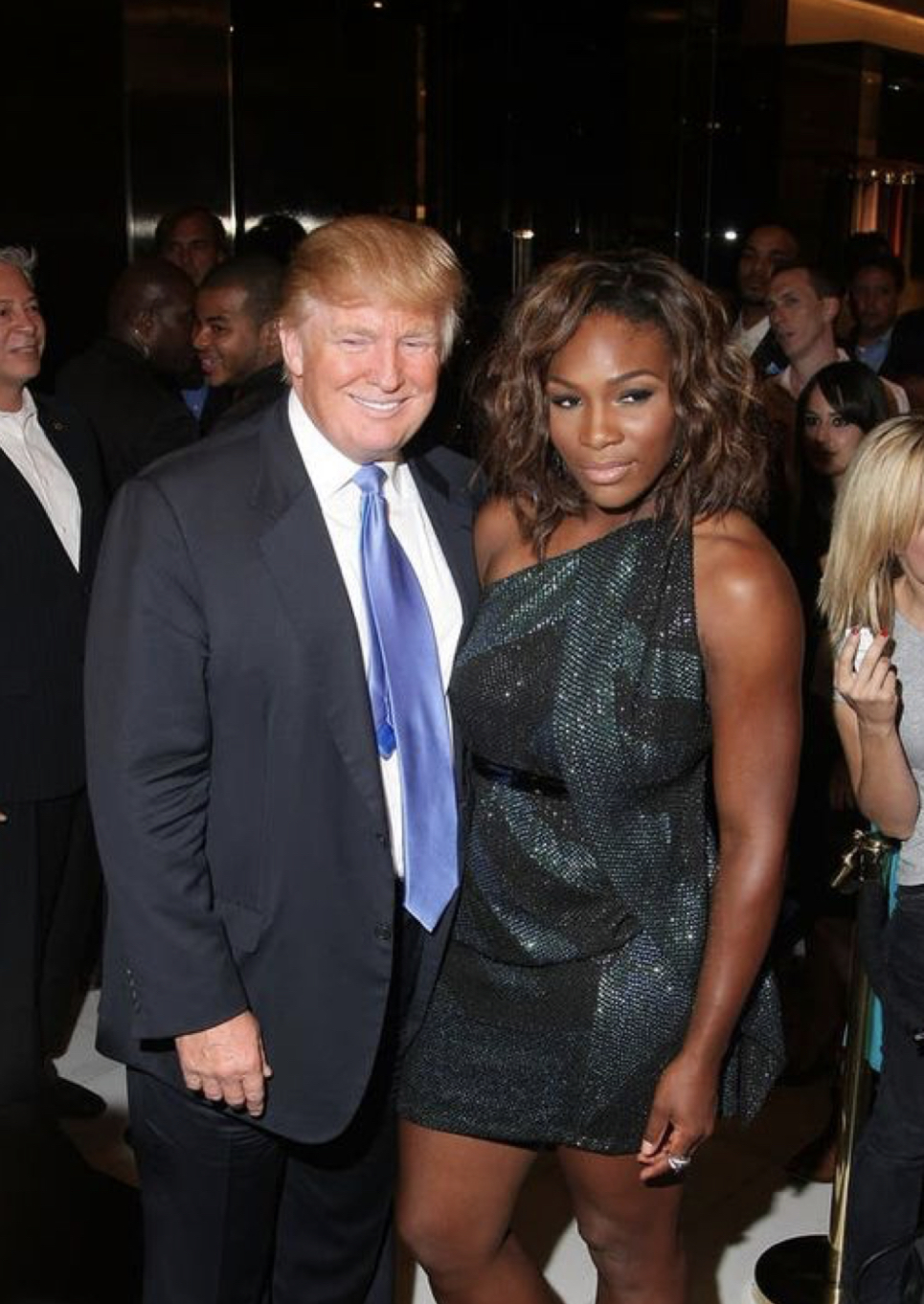
In a surprising claim that has captivated both sports enthusiasts and political aficionados, tennis legend Serena Williams shared her remarkable experience of having spoken to every sitting U.S. president during her lifetime, dating back to Ronald Reagan. This statement, made during a recent interview, has opened up conversations about the intersections of sports, culture, and politics, as Williams elaborates on the impact these interactions have had on her life and career.
Born on September 26, 1981, in Saginaw, Michigan, Williams has not only dominated the world of professional tennis but has also become a prominent figure in societal discussions surrounding race, gender, and equity. Her unique ability to connect with influential figures, including presidents, speaks volumes about her standing in not only sports but also in society at large.
Williams recounted her first interaction with a U.S. president, which took place during the Reagan administration. She reminisced about attending a White House event where the then-president interacted with athletes from various fields. “It was an unforgettable experience,” Williams said. “Meeting someone who essentially represents the entire country at such a young age really left a mark on me.”
As her career flourished, Williams found herself in the company of subsequent presidents, including Bill Clinton, George W. Bush, Barack Obama, Donald Trump, and most recently, Joe Biden. Each meeting came with its own unique set of circumstances and reflections. Williams noted the stark contrasts between her meetings, particularly highlighting the progressive discussions she had with President Obama, the first African American president. “Talking to President Obama was special because he understood the challenges we face as a community. I felt heard and respected,” she shared.
The significance of Williams’ interactions extends beyond mere celebrity encounters. They represent a profound connection between the realms of athletics and governance. Williams acknowledged this connection, stating, “I believe that athletes can hold a powerful voice. The ability to influence social change should never be underestimated.” This belief has driven her to use her platform to advocate for various causes, including women’s rights and racial equality.
During her conversation with former President Trump, Williams expressed the challenges of navigating political differences. “It was a different kind of conversation. While we didn’t see eye-to-eye on everything, I tried to make my voice heard on issues that matter,” she explained. This sentiment illustrates the complexities athletes often face when intersecting with political discourse; they must balance personal beliefs with public interactions.
Reflecting on her meeting with President Biden, Williams emphasized the importance of hope and resilience. “He shared his views on health care and education, two issues close to my heart. It felt like a reminder that change is still possible,” she noted. Williams’ engagement in political conversations underscores her commitment to making a difference beyond her sports career.
Beyond the political conversations, Williams’ interactions with presidents signify an acknowledgment of the accomplishments of black women in America. As one of the most celebrated athletes in history, her prominence offers a platform to highlight ongoing social issues. Williams recognizes this and actively seeks to use her influence to encourage younger generations. “I want young girls, especially those of color, to know that they can achieve anything. Their voices matter,” she affirmed.
Williams’ reflections also pose questions about the roles athletes play in civil rights and social justice movements. As the line between sports and politics continues to blur, Williams stands as a model for current and aspiring athletes, reminding them to harness their visibility for deeper societal impact.
This blend of sports, culture, and politics fueled discussions around the importance of not only acknowledging but also actively promoting dialogue related to crucial issues facing society today. Williams symbolizes this merging beautifully, showing how sports figures can carry significant weight in political discourse, often addressing issues that resonate with the public.
In conclusion, Serena Williams’ experience of having spoken to every U.S. president since her birth highlights not only her remarkable career in sports but also the potential of athletes to engage meaningfully in political conversations. By sharing her experiences, she invites others to recognize the importance of communication and advocacy in addressing societal challenges. Williams continues to inspire many, proving that the influence of an athlete can extend well beyond the confines of the tennis court. As her journey unfolds, it will be interesting to see how she will continue to leverage her voice in shaping future narratives.

BREAKING NEWS: Striking Black-and-White Photoshoot Sparks Debate as Fans Discuss Celebrity Fashion, Marriage and the Freedom to Express Yourself

BREAKING NEWS: Bold New Look Sparks Marriage Debate as Fans Ask Whether Her Daring Fashion Style Has Changed Since Getting Married

BREAKING NEWS: Serena Williams’ Sweet Public Moment With Husband Alexis Ohanian Sparks Warm Reactions From Fans Around the World

BREAKING NEWS: Serena Williams Shares a Heartwarming Moment With Her Husband as Fans Celebrate the Joy, Love and Happiness Behind the Scenes

BREAKING NEWS: Serena Williams’ Sheer Fashion Moment Leaves Fans Asking Questions as Her Bold Style Choice Sparks a Heated Debate Online

BREAKING NEWS: Taylor Swift’s Striking Rope-Inspired Photoshoot Ignites Massive Online Buzz as Fans Call It One of Her Boldest, Most Artistic Fashion Statements Yet

BREAKING NEWS: Serena Williams’ Joyful Dance Moves Steal the Spotlight in Fictional Celebration, Leaving Fans Smiling as Her Confidence, Energy, and Playful Rhythm Spark Endless Conversations Across Social Media

BREAKING NEWS: Serena Williams’ Bold Fashion Choice Sparks Heated Debate as Fans Clash Over Eye-Catching Dress That Showcased Her Athletic Physique and Signature Confidence

BREAKING NEWS: Taylor Swift’s Stunning Fashion Choice Sparks Massive Fan Debate as Admirers Wonder Whether Her Signature Style Would Ever Change If She One Day Became a Mother

BREAKING NEWS: Serena Williams’ Stunning Bikini Photos Spark Online Debate as Fans Share Mixed Views on Confidence, Family Life, and Celebrity Expectations

BREAKING NEWS: Serena Williams’ Husband Hailed by Admirers as “Father of the Year” After Heartwarming Family Moments Capture Attention
